Talking point: Building Stories
02.02.26
Rory Olcayto
Way back in 2009, at the post-crash BCO Conference in Edinburgh, Arup’s cities expert Malcolm Smith urged delegates to consider storytelling as viable tools for city-making. He went on to suggest that our cities, seeking contemporary narratives shaped by climate change, could be transformed by ‘hybrids’: a new building type defined by energy efficiency. He proposed ice rinks bundled with mortuaries, where cooling technologies provide a natural correlation.
This kind of mixed-use project (which seems more at home in a David Cronenberg flick) has yet to surface, but Smith’s line of enquiry — storytelling as a design tool — feels right. It keys into Joseph Rykwert’s notion in his 1963 book The Idea of a Town, that the ‘town is not really like a natural phenomenon… If it related to physiology at all, it is more like a dream…’
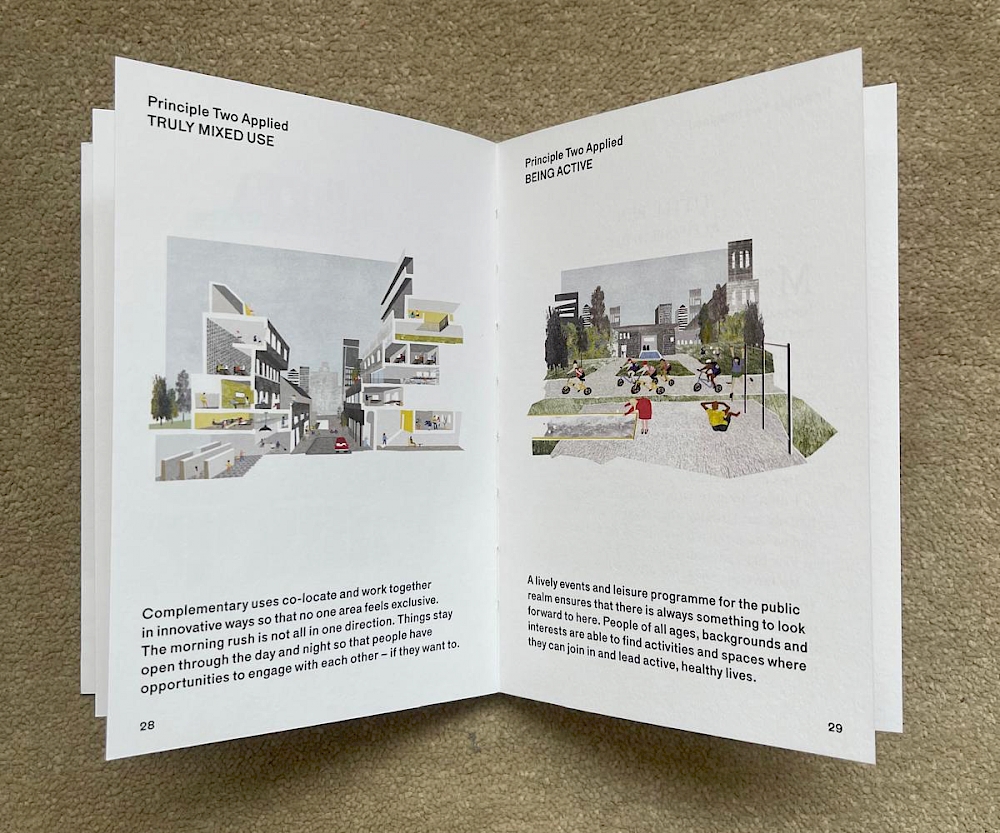
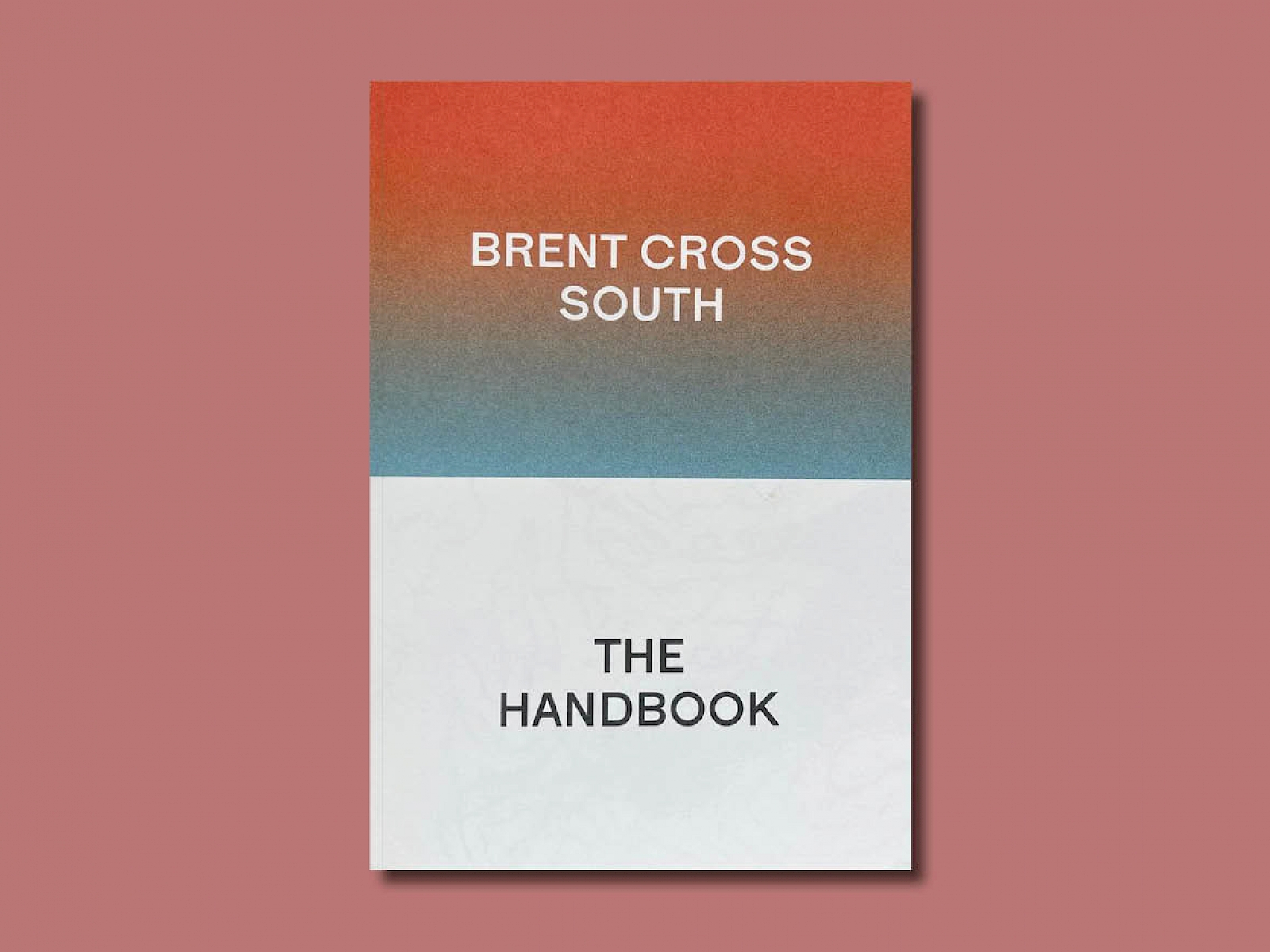
Related Argent would hard agree. In 2018, long before the first buildings at Brent Cross Town began to take shape, it commissioned a book of five short stories from established writers Elizabeth Day, Will Wiles, Guy Gunaratne as well as poet Kayo Chingonyi and artist Marie Jacotey, to imagine – dream - what it would be like to live in Brent Cross Town. Micro-stories, just 600 words long. This is an excerpt from Little Ben by Elizabeth Day:
In the evening, my Mum and I will go up onto the roof terrace at the top of our building to watch the sunset. It’s amazing because the whole city is spread out in front of you like a giant picnic. If it’s clear, we’ll be able to see Big Ben and the Houses of Parliament, which is my Mum’s favourite building. That’s why she gave me my name.

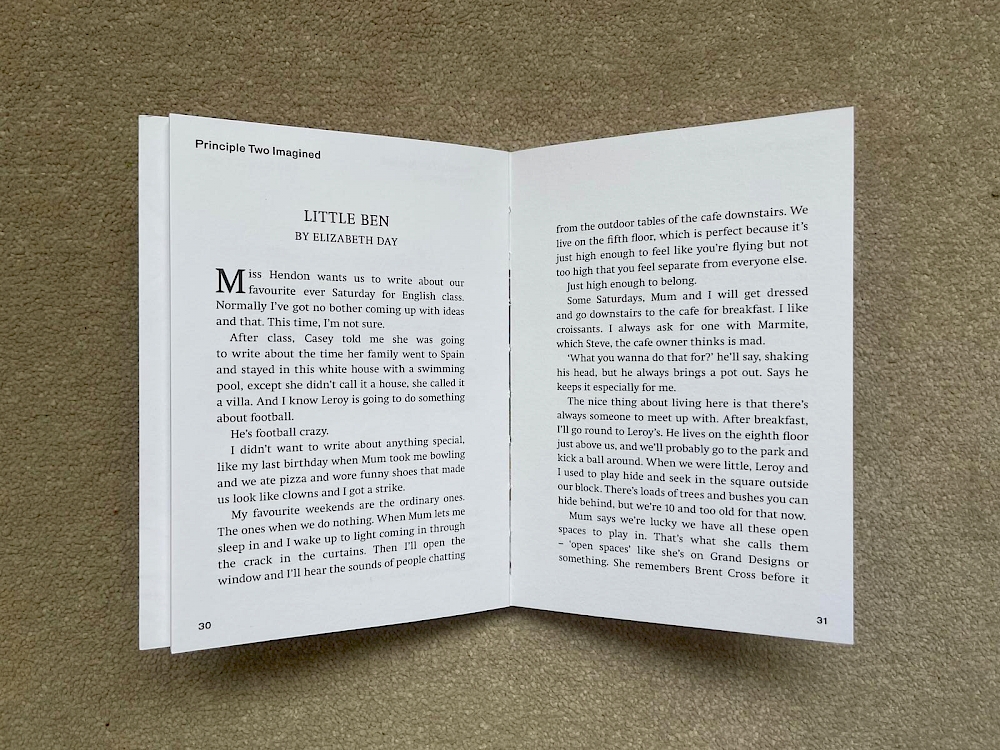
In just a few words, the story describes a real home: a housing block with an apartment, accommodating a little boy and his mum, with rooftop views for miles around. It conveys a sense of place — a local neighbourhood, but in a global city too, with world-famous landmarks. The details linger in your mind. Could it be that encoding hard facts into short stories really makes the information more memorable?
That’s for others to say. Or perhaps former Related Argent executive director Nick Searl? Writing on LinkedIn last year, he said: ‘That little book made a real difference to how our internal and consultant teams approached design in the early stages. It had a profound impact.’