Social Value: We should always listen
01.02.26
Sarah Eastham
We should always listen. Communities know what it’s like to live in their neighbourhoods, and we should never make assumptions. For many residents, a housing renewal project is a once‑in‑a‑lifetime moment. Their home might be directly affected, their surroundings may change, or they may feel disillusioned after years of being ignored. For them, the process is significant and often overwhelming. We must recognise that. These are people and homes, not units and spreadsheets.
Local people understand what works and what doesn’t. They know where they feel safe, which routes they use, what they avoid, and what worries them. To create places where people genuinely want to live, work and play, communities must be given a meaningful voice - and that voice must be heard.
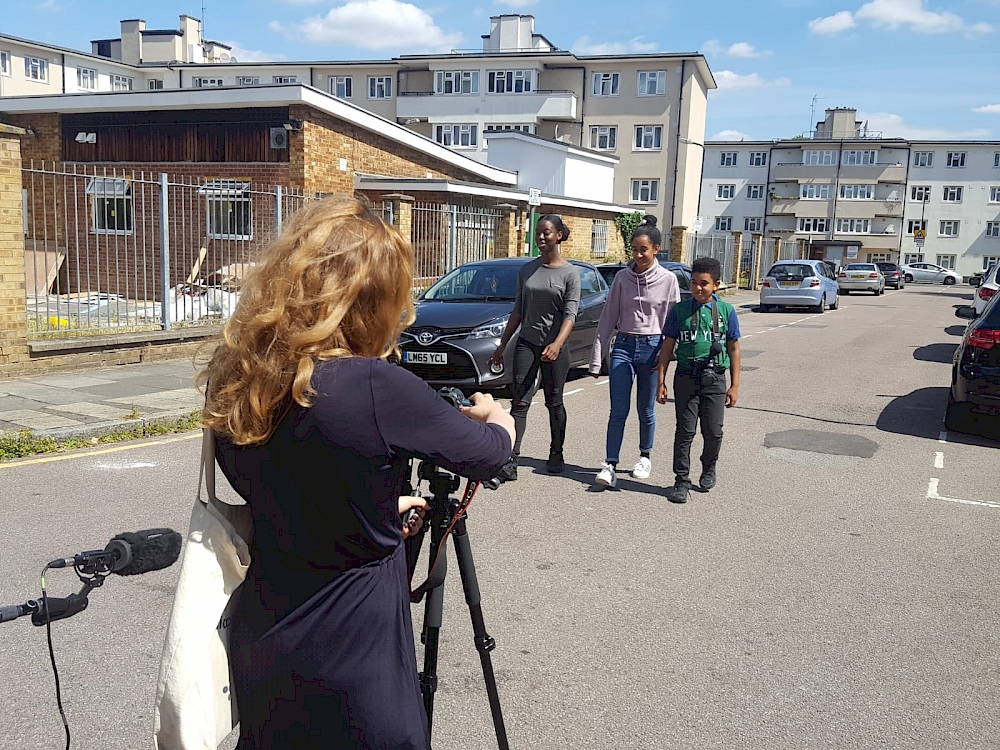
We always look beyond the project’s red line to consider the wider local impact. Where can we create opportunities? How can we engage inclusively and add value, whether through film projects with teenagers, careers days at secondary schools, model‑making with primary pupils, or focused sessions with older residents, women and girls?
Social value shouldn’t be reduced to procurement targets or monetised outputs. It should be flexible, tailored and relevant to specific people and places.
In Lambeth, residents wanted to understand planning better, so we ran jargon‑free interactive workshops to demystify the process. In another borough, small businesses asked for advice on social media and branding, so our communications team created an online session. At a primary school beside an estate we worked on years earlier, pupils were curious about the area’s history, so we invited them to our office and took them on a walking tour.
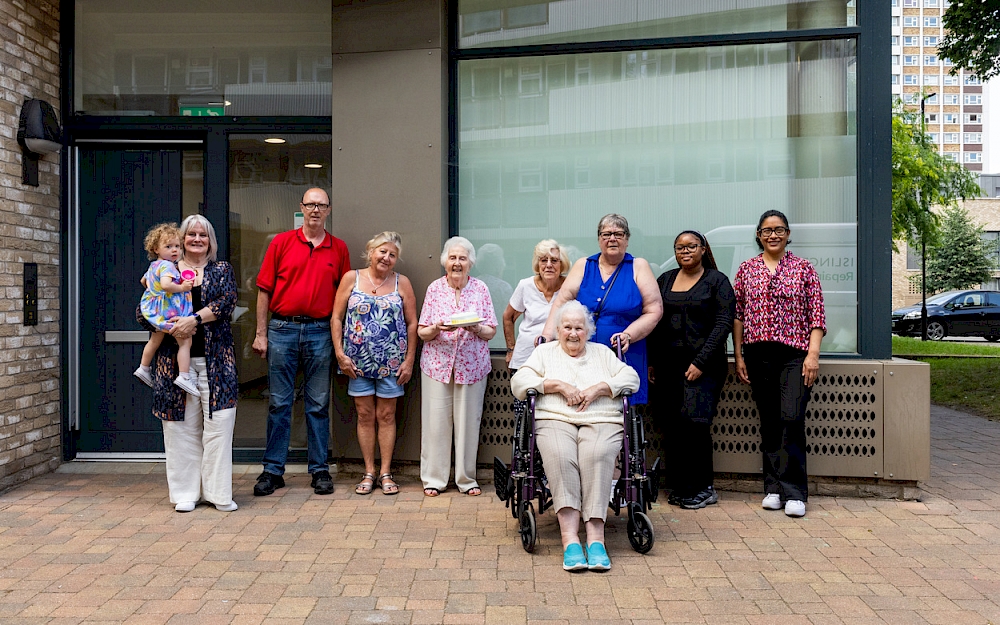
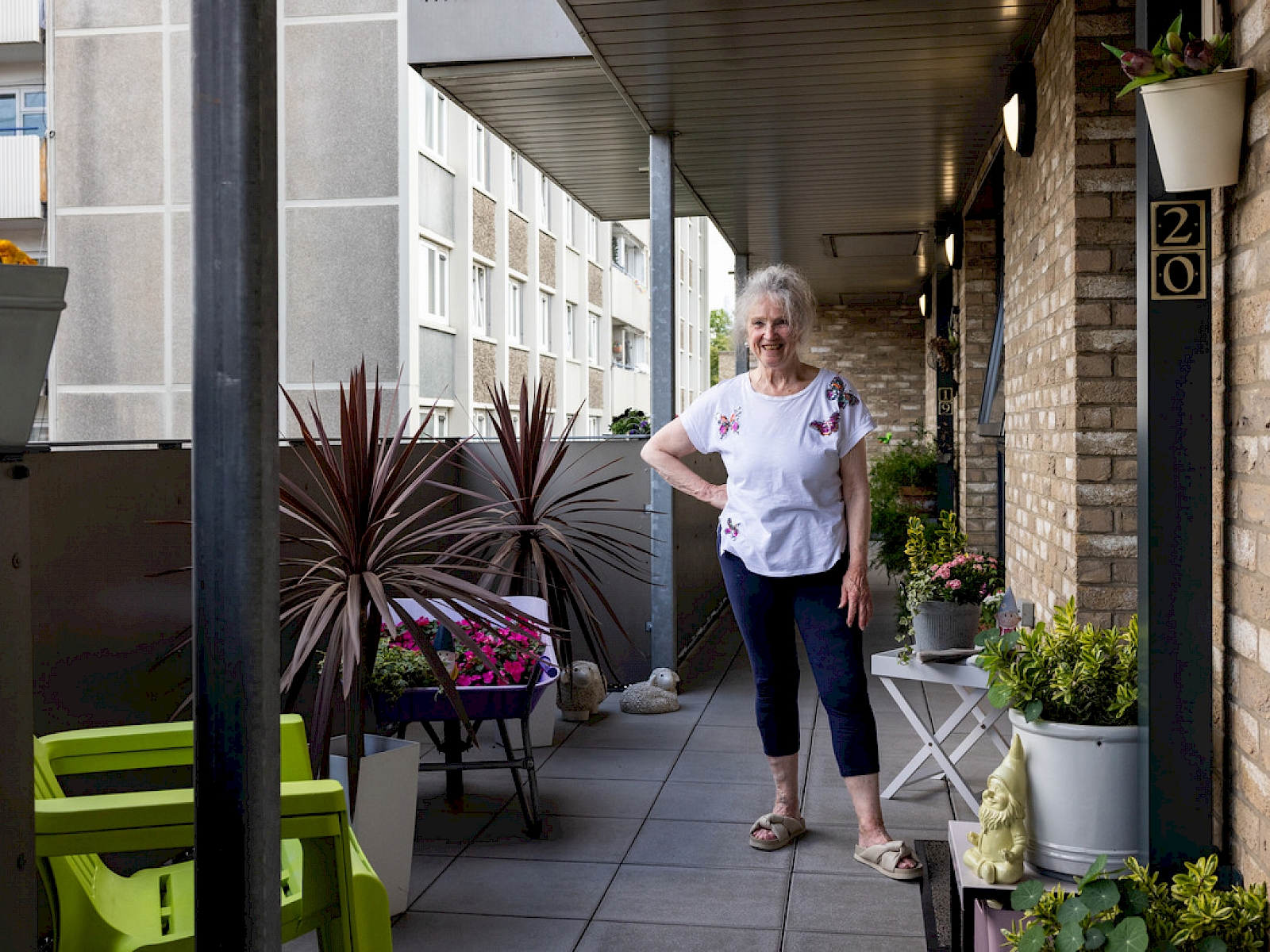
The most successful projects are those where residents are involved in design from the outset. They often become community champions. At our estate renewal in King Square, Islington, residents proudly led politicians around their “new” estate, talking about what they had shaped and they had created - not what architects or developers had delivered.
Our aim is to ensure this culture continues long after construction ends, whether that’s upskilling local start‑ups, supporting resident groups to navigate planning, or helping establish shared gardens. Only then can we be confident we’re embedding real social value in the communities we serve.