PTE Conference Day: Placemaking Not Plotting - Jan 2026
03.02.26
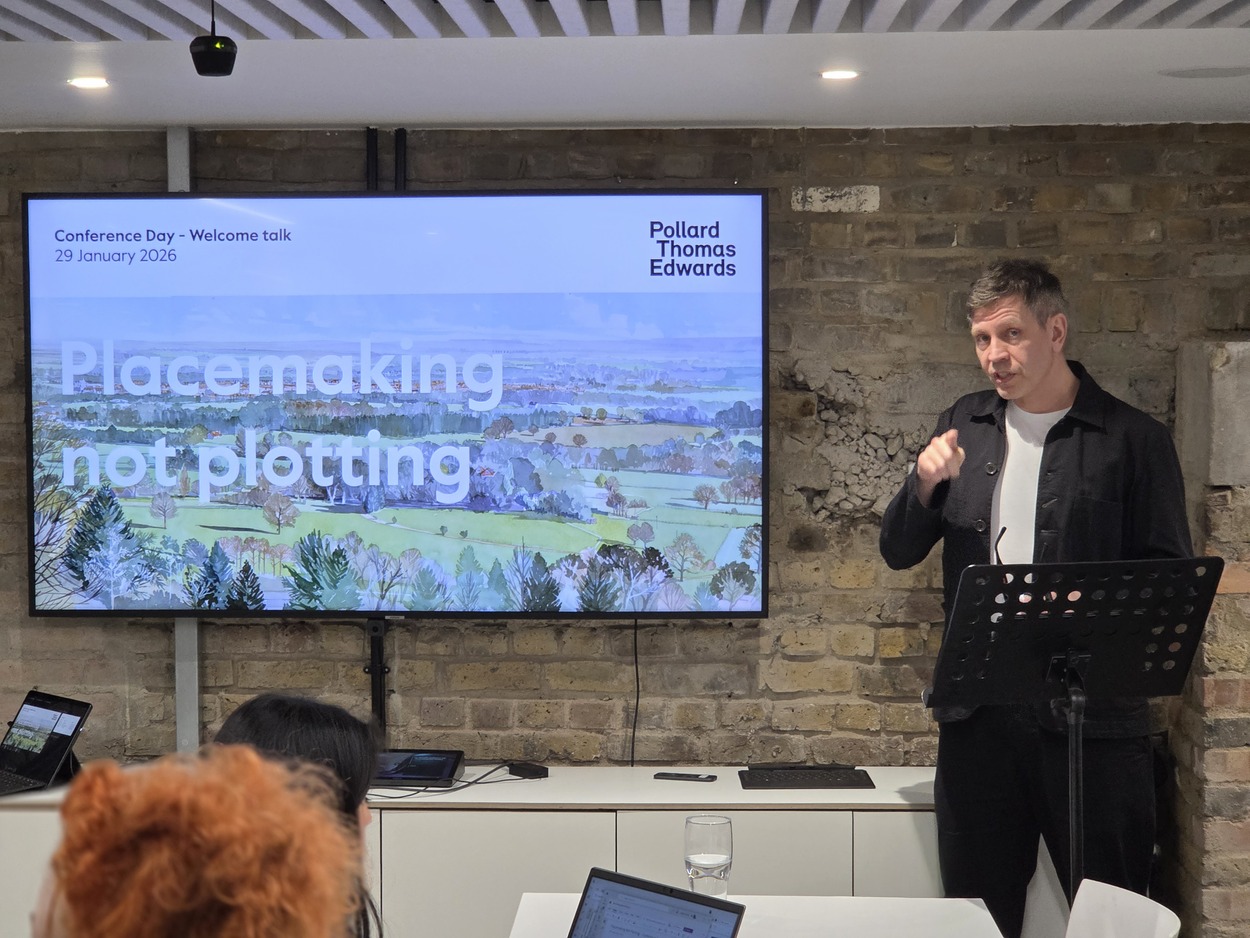
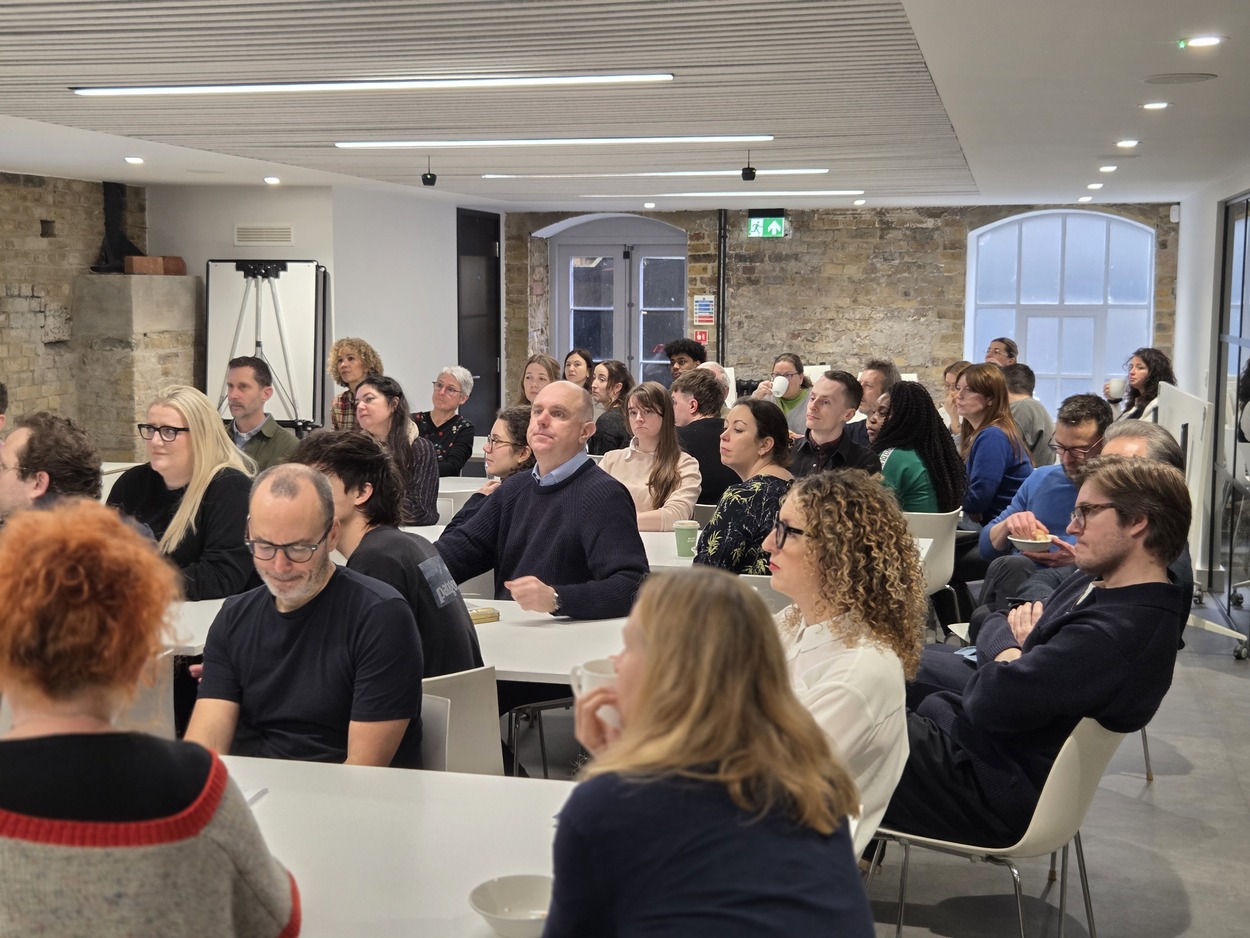
Last week at our Diespeker studio, we hosted Placemaking Not Plotting - a day dedicated to championing narrative‑driven design over purely metric‑led, plot‑based thinking. Across talks, critiques, and discussion, one message kept resurfacing: places work best when they begin with a story rooted in people, context, and character.
Carl Vann opened by reaffirming PTE’s long‑held belief in storytelling as a design tool. ‘Every place should begin as a story. Before the street sections, before the density calculations, before the phasing strategies, we need to ask - What is the story this place wants to tell?.’ This, as Sarah Eastham stressed, is not fiction but real life: ‘You don’t want to impose a story - you want the neighbours, the history and the existing place insight to be part of it.’ Narratives emerge from demographics, environmental data, biodiversity, lived experience and local memory: the real story of a place.
Alexis Butterfield then introduced place tiles, PTE’s narrative, special and data-driven method for rapidly testing character and density. ‘Place tiles,’ he explained, ‘allow us to work with viable places of different identities... almost like Lego for making a place.’ As the day showed, through tiles, variations and the rule of replicability, sites can be explored in hundreds of ways.
Writer and critic Rory Olcayto, reflecting on a project for Argent, for which he commissioned five short stories imagining life in Brent Cross Town - suggested that embedding hard facts in fiction makes information more memorable.
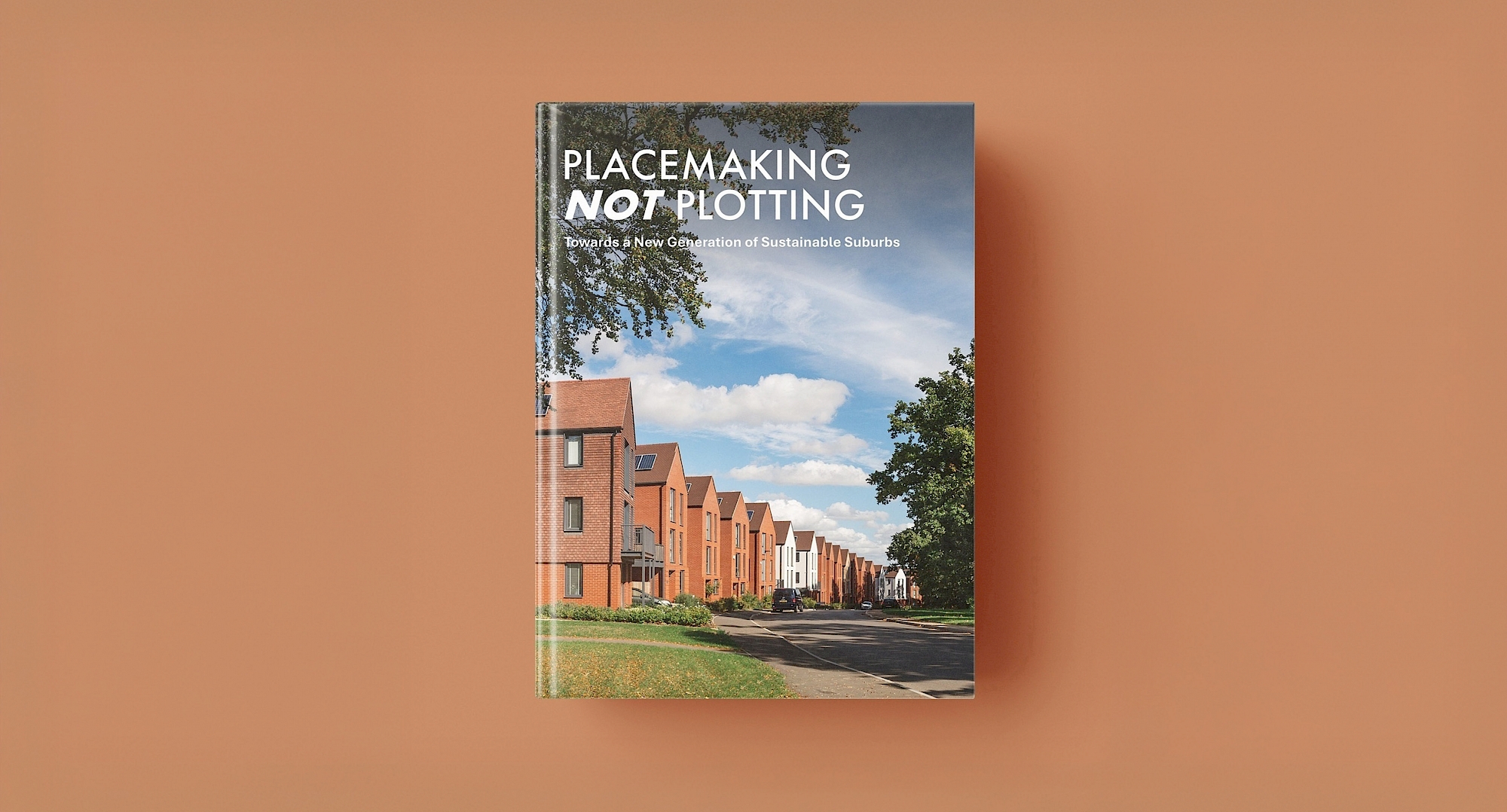
Referencing a recent PTE roundtable she chaired on the publication Placemaking Not Plotting (which inspired our conference) Kaye Stout reminded us that the consumer must remain central to better placemaking: ‘If people could see what good looks like,’ she said, ‘they’d have a benchmark- and a reason to trust we can deliver it.’
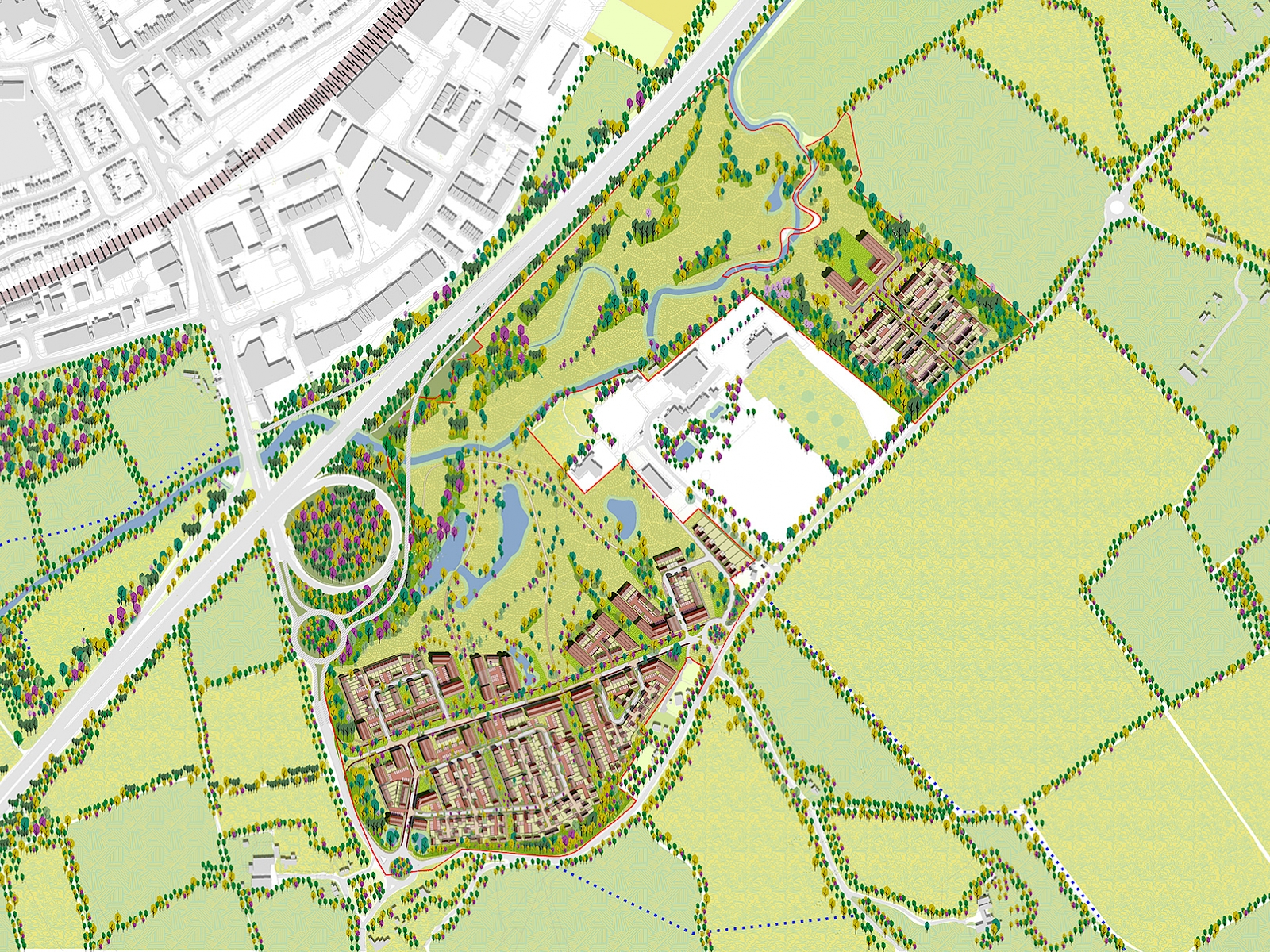
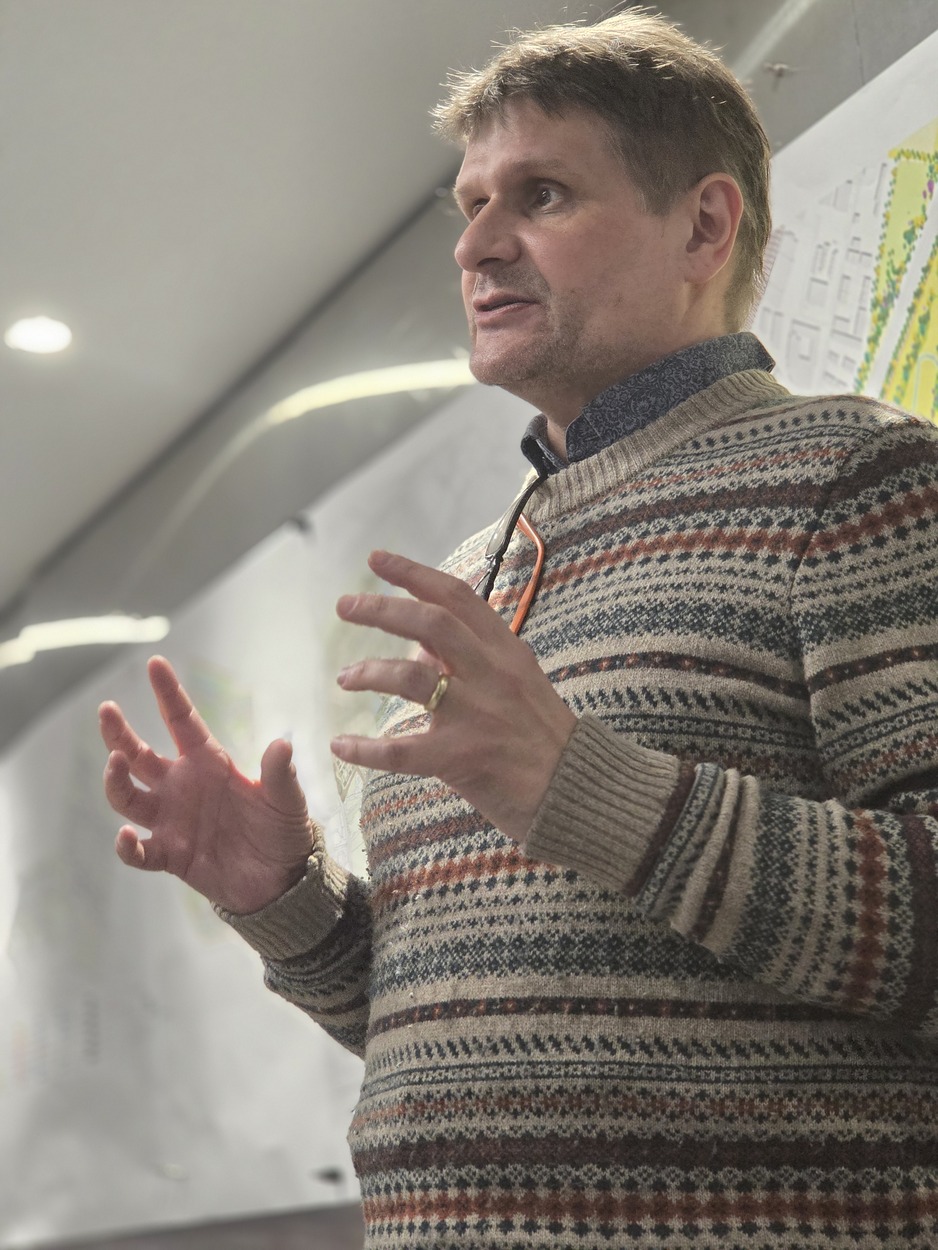
A session on masterplanning and storytelling displayed recent projects and the role of place tiles in shaping townscape visions. For one Southeast scheme, Owen Aishford showed how woodland, wildlife corridors and flood lines informed a 900‑home neighbourhood built entirely from a developer’s house types: ‘We cut the tiles, rearranged them, and created variations that respected the site.’ For an Essex masterplan, Ashleigh King demonstrated how constraints became opportunities: ‘Flood zones became huge public spaces.’
At Springstead Village near Cambridge, Alexis showed how early tile testing increased the masterplan from 1,200 to 1,500 homes. Mark Ratke explained how place tiles doubled achievable density while rationalising the Living Streets approach for a project in Oxford, and Carl described designing 1,000 homes in three months for another scheme: ‘Using existing tiles meant speed without losing character.’
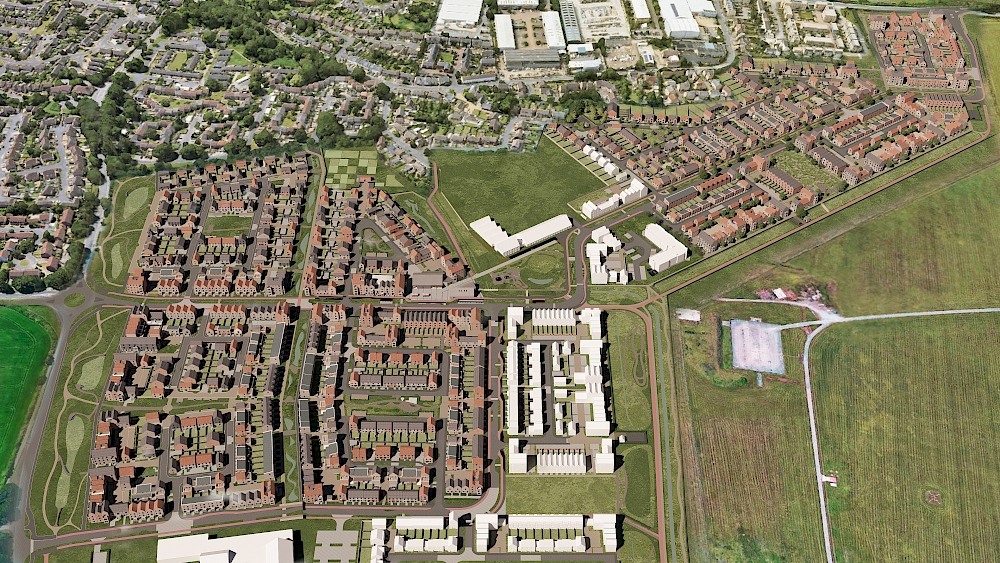
A penultimate session led by Will Gorton, Nina Virdi, and Laura Binaburo looked at the future of place tiles - customisation, parametric tools, Revit integration, and automation. Despite their flexibility, Justin Laskin offered a caution: ‘It’s the story of how you assemble them - not the tiles as is.’
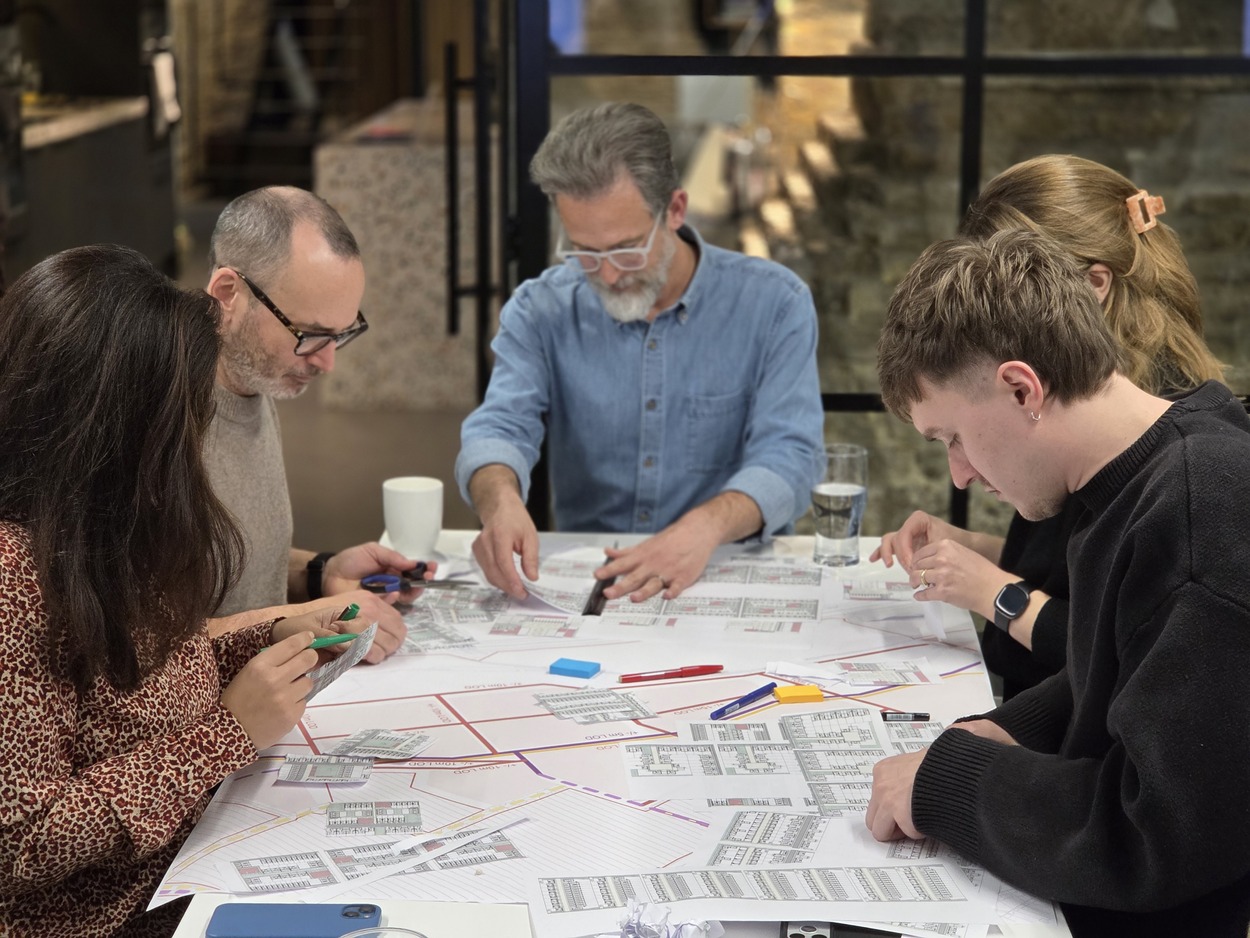
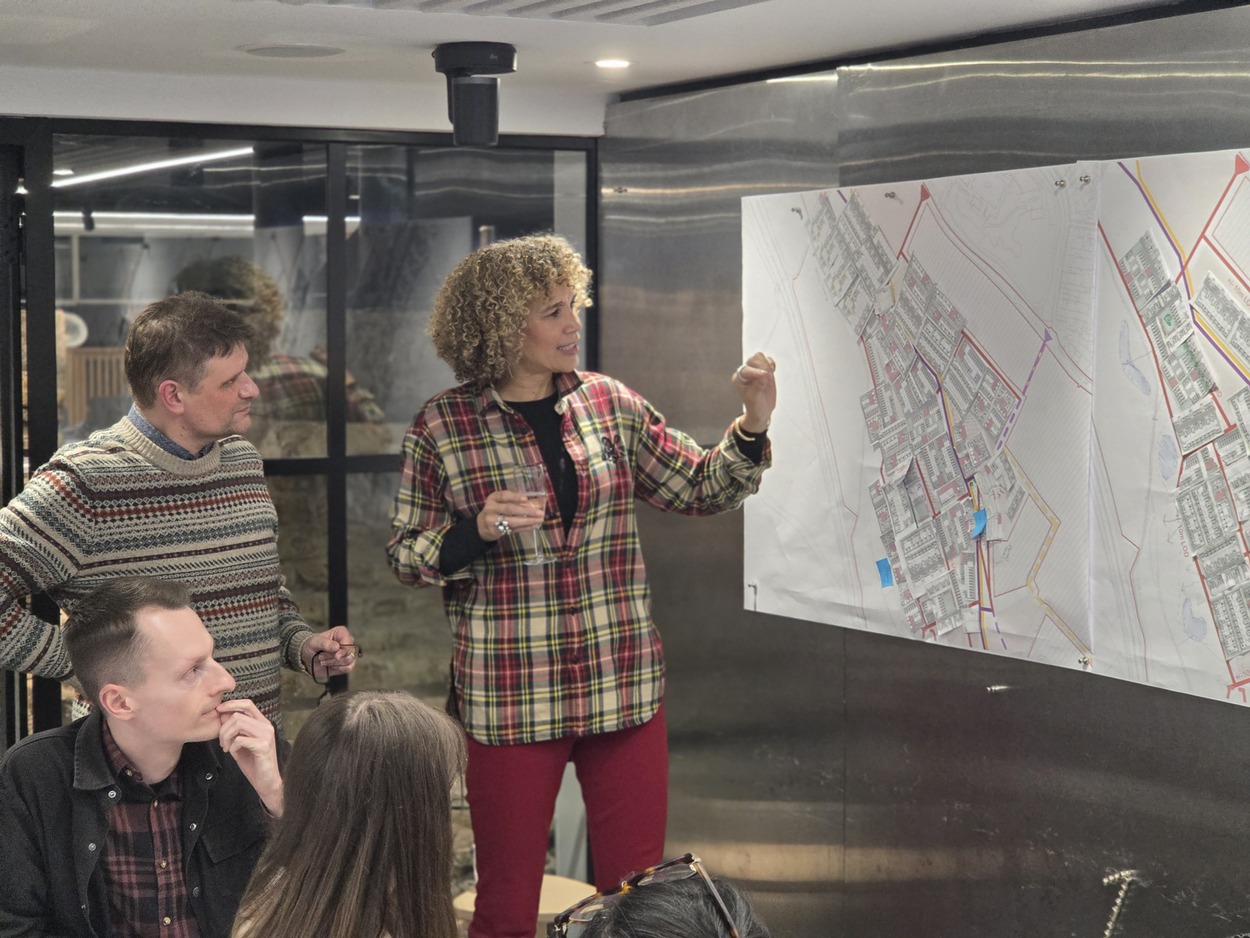
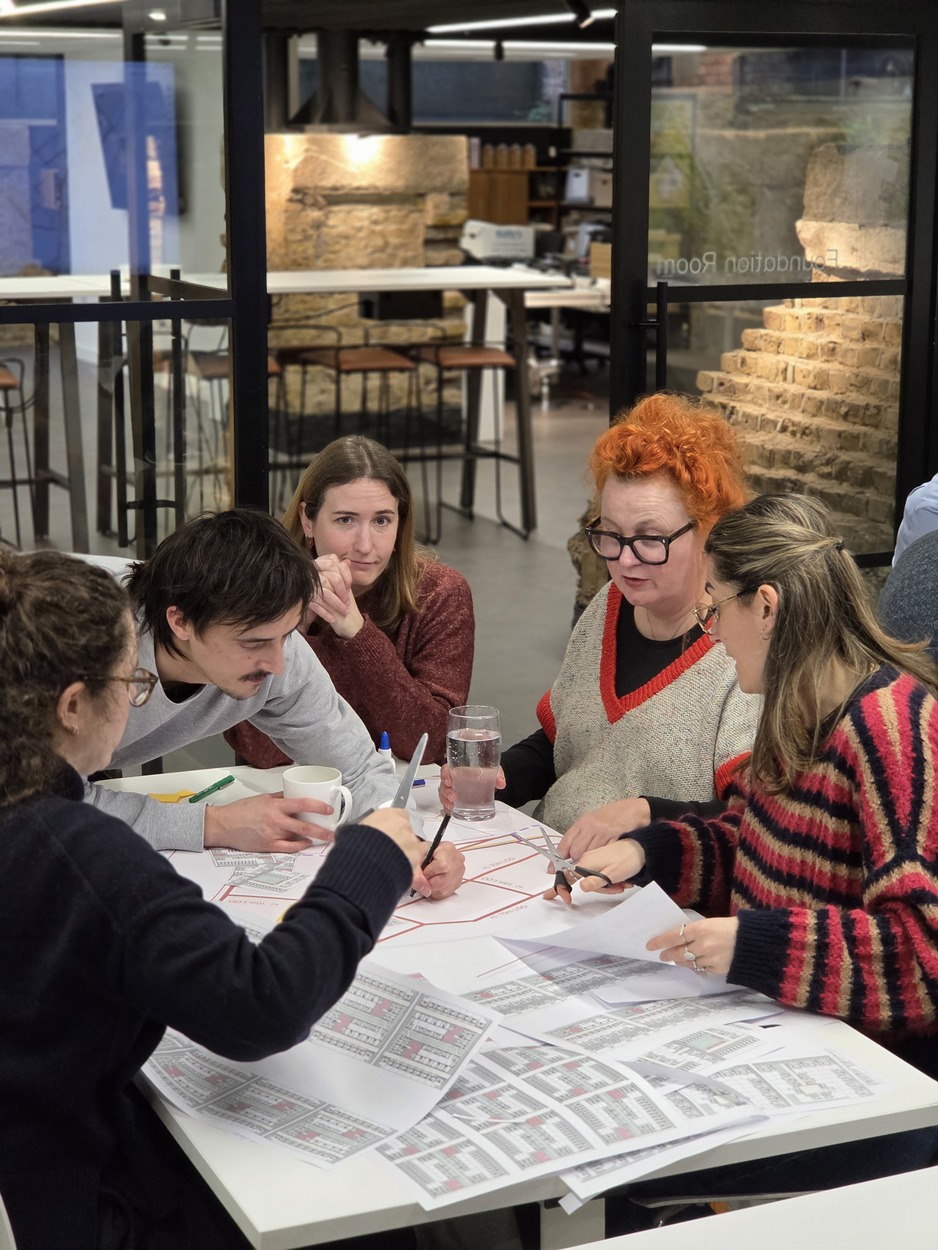
Using Eddington – the urban extension in northwest Cambridge and home of Knights Park and The Icon - as a base, we ended the day with a design workshop led by Alexis. Splitting into six teams, we used place tiles, drawing upon everything we had learned during the conference, to produce alternative masterplans for the still-emerging townscape. It was a rowdy, fun affair, culminating with crits, with each new masterplan put under the spotlight by our newly energised, place tile-savvy PTE colleagues.